
Autologous Therapies
Platelet-Rich Plasma (PRP) Therapy
The patient's own concentrated platelets injected into injured tissue, stimulating natural healing of cartilage, tendons, and ligaments.
Autologous
Category
Outpatient
Procedure
Non-Opioid
Approach
Image-Guided
Precision
Procedure Overview
Corticosteroid injections reduce inflammation effectively, but they do not repair damaged tissue. If you have an injury or a degenerative joint condition and you want to address the underlying tissue damage rather than manage symptoms, PRP offers a different approach, using your body's own healing mechanisms to accelerate recovery.
Clinical Data
Published clinical studies report 70 to 80% of patients experience meaningful pain reduction following PRP therapy, with a 50% decrease in osteoarthritis pain observed in controlled studies. (Source to be confirmed by SCOPES Health clinical team.)
Treatment Purpose
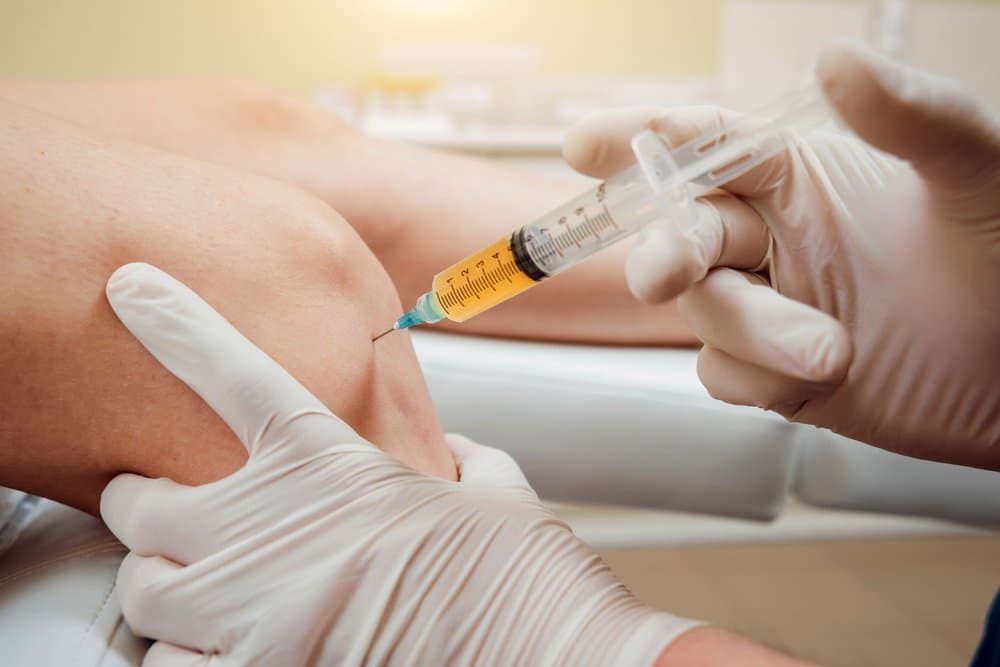
PRP therapy uses the healing power of the patient's own blood to accelerate tissue repair. A small blood sample is drawn, centrifuged to concentrate the platelets 5 to 10 times above baseline, and injected under imaging guidance into the injured or damaged area. Platelets contain growth factors that stimulate tissue regeneration and reduce inflammation in cartilage, tendons, and ligaments.
Appropriate Conditions
- Osteoarthritis of the knee, hip, and shoulder
- Tendon and ligament injuries
- Partial tendon tears
- Sports injuries
- Plantar fasciitis
- Degenerative joint disease
Patient Considerations
The concentration process is key. PRP is not simply blood, it is blood that has been processed to concentrate the platelets that carry growth factors responsible for tissue repair. The concentrated solution is then placed precisely where the tissue needs to heal, using ultrasound or fluoroscopic guidance. There is no risk of rejection because the treatment comes from your own body.
Treatment Process
The procedure takes 30 to 60 minutes. Blood is drawn from your arm, processed in a centrifuge, and injected under imaging guidance into the target tissue. You go home the same day. Most patients benefit from a series of 1 to 3 injections spaced 4 to 6 weeks apart. Improvement typically emerges over 2 to 6 weeks as tissue healing progresses, with full benefit developing at 3 to 6 months.
Frequently Asked Questions
Is there a risk of reaction or rejection?
No. PRP is made from your own blood, so there is no risk of allergic reaction or rejection.
How many injections are needed?
Most patients benefit from 1 to 3 injections spaced 4 to 6 weeks apart.
What are the risks?
Very low risk. Temporary soreness at the injection site is the most common side effect.
Need Guidance?
Talk With a SCOPES Specialist
Every care plan is based on your diagnosis, your symptoms, and your goals.
Back to all treatments